


Professional vs. Drugstore Skincare: What’s the Real Difference?

If you’ve ever stood in the skincare aisle wondering why some products promise results but never seem to deliver, you’re not alone. Many clients I see in the Austin area come in feeling frustrated after trying countless drugstore products with little to no improvement. It can be frustrating buying product after product and not getting the results you want.
One of the biggest reasons? There is a significant difference between professional-grade skincare and drugstore skincare — especially when it comes to treating concerns like acne, uneven tone, sensitivity, dryness, and early signs of aging.
Let’s break it down.

What Is Drugstore Skincare?
Drugstore skincare is designed for:
Mass production
Broad, general use
Long shelf life
Lower price points
Because these products must be safe for everyone without professional guidance, they often contain:
Lower concentrations of active ingredients
Lower quality of ingredients
More fillers, stabilizers, and fragrance
Formulations designed to “maintain,” not correct
This doesn’t mean drugstore skincare is bad — it can be helpful for basic cleansing or hydration — but it often falls short when real skin concerns need to be addressed.
What Is Professional-Grade Skincare?
Professional skincare is formulated to be:
Used by licensed professionals
Customized to the individual
Backed by clinical research and testing
In my practice, I specialize in clinical Korean skincare, which focuses on:
Skin barrier health
Gentle but EFFECTIVE actives
Layered formulations that work synergistically
Long-term skin improvement, not quick fixes
Professional products are often more concentrated, better balanced, and designed to work within a treatment plan, not as standalone solutions.
Why Ingredient Quality Matters — Even When Labels Look the Same
It’s common to see the same ingredient names appear on both drugstore and professional skincare labels. Ingredients like niacinamide, hyaluronic acid, peptides, or vitamin C are widely used across all price points, which can make it seem like the products should perform similarly.
In reality, ingredient quality plays a major role in how the skin responds — especially during corrective care.
Not All Ingredients Are Created Equal
Even when two products list the same ingredient, they may differ significantly in:
Purity of the raw ingredient
Stability of the ingredient
Molecular weight or form used
How the ingredient is processed and preserved
Form Matters as Much as the Ingredient Itself
An ingredient’s effectiveness depends heavily on how it’s formulated, not just whether it’s present.
Professional skincare takes into account:
Delivery systems that allow ingredients to reach their intended layer of the skin
Supporting ingredients that improve absorption and tolerance
Balanced formulations that protect the skin barrier
Choosing the Right Skincare for Your Skin
The goal isn’t to shame drugstore skincare — it’s to understand its limitations.
If your skin concerns are:
Persistent acne
Acne scarring
Uneven tone or texture
Dry, flaky, or compromised skin
Early signs of aging
Professional skincare and treatments offer a more effective, supportive approach.
How Drugstore Skincare Leans Heavily on Marketing
One of the biggest differences between drugstore skincare and professional skincare lies in how products are marketed versus how they are formulated.
Drugstore brands are designed to sell at scale. To stand out on crowded shelves, packaging often highlights a single “hero” ingredient — such as retinol, vitamin C, niacinamide, or hyaluronic acid — in large, bold text on the front label. This marketing approach can give the impression that the product is highly active or results-driven.
However, skincare regulations do not require brands to disclose ingredient concentrations. As long as an ingredient is present at all, it can legally be advertised on the packaging.
This means that:
The highlighted ingredient may be included in very small amounts
It may be present at a concentration too low to create meaningful change
The formula may rely more on fillers, stabilizers, or fragrance than active performance
In many cases, the ingredient that’s marketed most prominently is included primarily for label appeal, not clinical effectiveness.
Why This Matters for Skin Results
Because drugstore products must be safe for the general public without professional guidance, formulations are often intentionally conservative. Lower concentrations reduce the risk of irritation, but they also limit the product’s ability to correct deeper or ongoing skin concerns. This is why certain products we use in treatments can only be purchased by those with a license. Professional products are strong, effective, and require professional guidance.
This can lead to a frustrating cycle:
Products sound promising
Skin sees minimal improvement
More products are purchased
Skin becomes irritated, sensitized, or imbalanced
Clients often interpret this as their skin being “difficult,” when in reality the issue is inadequate formulation strength paired with marketing-driven expectations.
Why Professional Skincare Matters Most During the Corrective Phase
When you’re in the corrective phase of skincare, the goal shifts from simple maintenance to intentional change. This is the stage where the skin is actively working to repair damage, rebalance itself, and respond to targeted treatments for concerns like acne, uneven tone, texture issues, dryness, or early signs of aging.
During this phase, the quality of the products being used becomes especially important.
Corrective skincare often involves:
Active ingredients used at very specific effective ranges
Treatments that stimulate renewal or exfoliation
Support for a compromised or healing skin barrier
Because the skin is more reactive and more responsive at this time, professional-grade products are better equipped to support the process safely and effectively.
Clinical Korean Skincare in the Austin Area
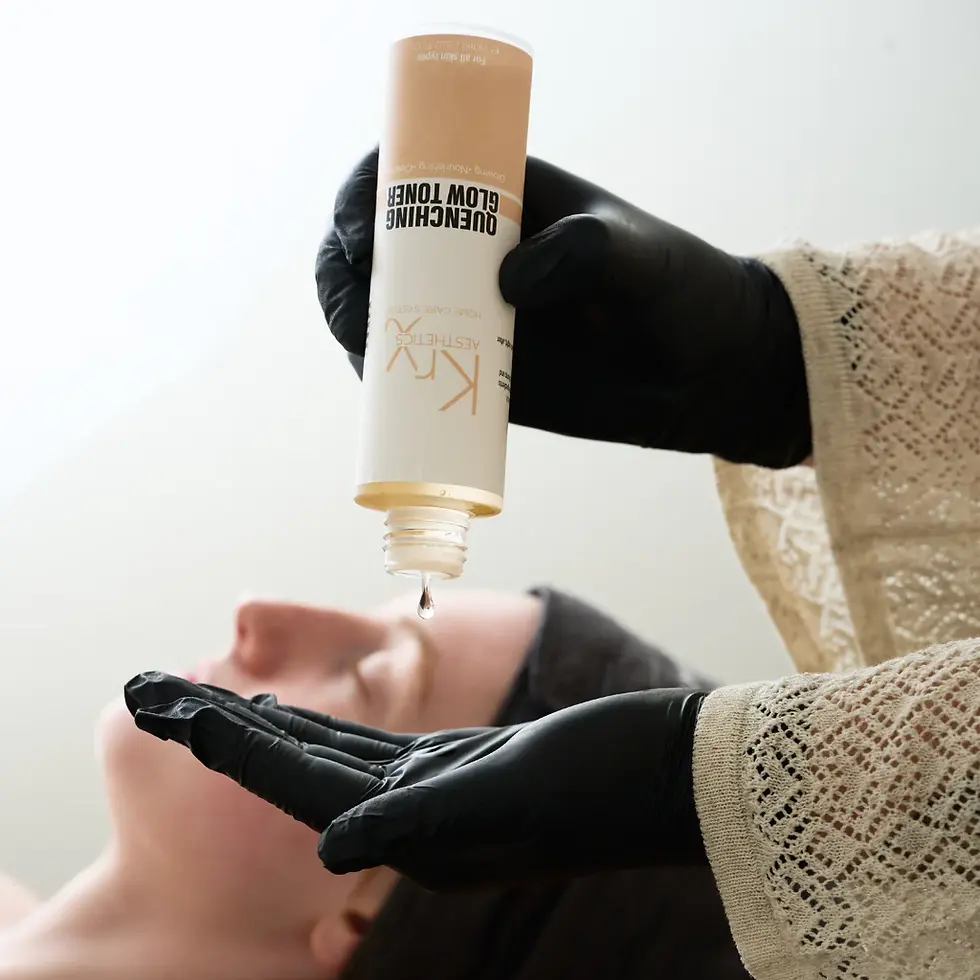
If you feel like you’ve tried everything and your skin still isn’t responding, professional corrective care may be the missing step. My practice specializes in clinical Korean skincare treatments designed to support real progress while respecting the skin barrier.
Serving Austin & Round Rock
Book your corrective facial today!


Comments